43 compounds, each with its own forum and the literature sitting beside it. Every post says whether it is anecdote or cited research, and every removal leaves a public reason and the rule it cited.
Every guide states its evidence level on a five point ladder and its legal status up front, so something with three phase III trials never looks the same as something with one mouse study. Open to read with a free account.
A long-acting GLP-1 receptor agonist with large phase III programmes in type 2 diabetes, obesity, and cardiovascular outcomes. One of the few entries here where the evidence base is genuinely deep.
A dual incretin agonist hitting both GIP and GLP-1 receptors. Phase III results in diabetes and obesity are larger than single-agonist comparators; the mechanistic reason is still argued.
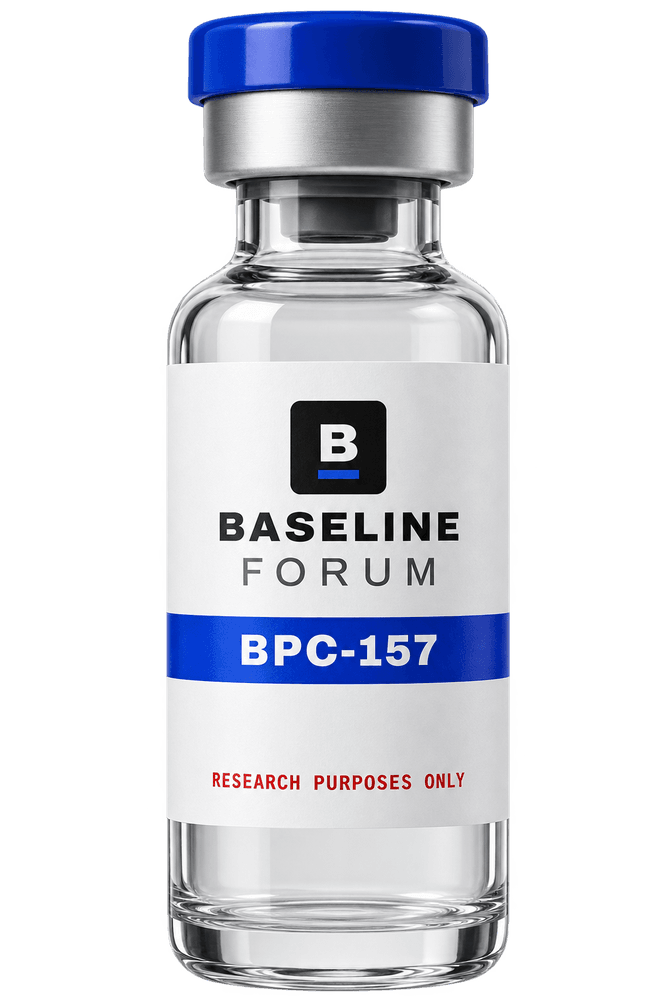
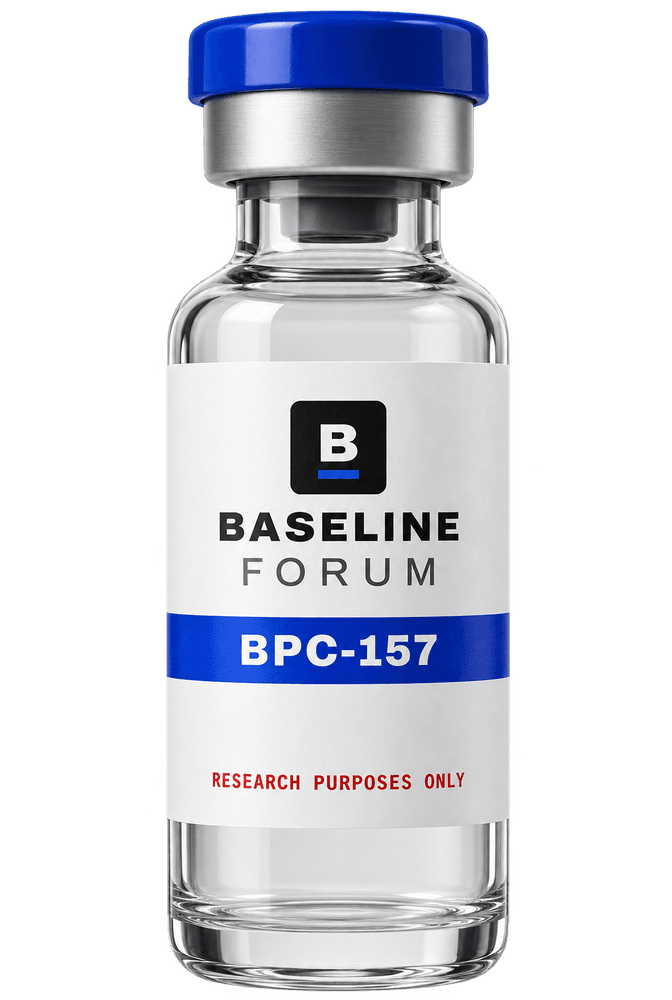
Body Protection Compound 157, PL 14736, Pentadecapeptide BPC 157
A 15-amino-acid sequence with a large, remarkably consistent animal literature, almost all of it from a small affiliated research network, and no completed human trial reporting results.
A copper-binding tripeptide with extensive in vitro data and modest topical cosmetic evidence. The gap between the gene-expression literature and what topical application does is very wide.
A dual glucagon/GLP-1 agonist in phase 3 for obesity and for MASH. Real trials, real sponsor, no approval anywhere yet, and the phase 3 readouts that matter are not published.
An approved obstetric drug with a very large literature, and a second life as a social and behavioural intervention where the evidence is far weaker than the popular account of it.
Contested
Approved3 studies2 threads
Currently on the table
Featured discussions.
Hand-picked threads worth your reply, not an algorithm's guess. Titles and evidence labels are public; the bodies open with membership.
From the guide: Tirzepatide engages both incretin receptors, with a binding profile that is…
is more GIP like than GLP 1 like in vitro. GLP 1 receptor engagement produces the familiar glucose dependent insulin secretion, glucagon suppression, delayed gastric emptying, and appetite r…
Starting this category with the least popular part of the most popular compound. From the gu…
ide, verbatim: Human safety data is close to absent. Animal toxicology reports a wide therapeutic window, which is not a substitute for human data and is not reassuring on its own. The unkno…
Sermorelin is a Growth hormone releasing hormone (GHRH) analogue. Its regulatory posture in…
the guide reads withdrawn, which is a different thing from never approved and gets flattened into "unapproved" almost everywhere else. Something cleared a regulator and then stopped being av…
This is the cleanest example on the site of why a trial count on its own is worthless. Human…
nin is a Mitochondrial derived peptide. Search a registry for it and you get 3 hits. Read them and every one is measuring Humanin as a marker in people who are being given something else, or…
The same six run through every guide, so a BPC-157 experience log and a semaglutide literature review sit in the same shape of room. Category choice sets the standard of evidence, and the rules say so.
GLP-1 receptor distribution in the human CNS: what the mapping studies actually resolved
A review of autoradiography and single-cell transcriptomic work mapping GLP-1 receptor expression in human brain tissue. The receptor is far more restricted in the human CNS than r…
Takeaway
Rodent CNS receptor maps do not transfer cleanly to humans, which weakens a common bridge between animal behavioural results and human claims.
An evidence map of BPC-157 preclinical studies, 1993 to 2024
A systematic scoping review counting roughly 180 published animal studies, of which the overwhelming majority originate from a small number of affiliated research groups. Effect si…
Takeaway
The preclinical literature is large but narrow. Consistency within one research network is not the same thing as replication.
Degradation kinetics of lyophilised peptides under realistic storage conditions
Bench work measuring degradation of several model peptides across temperature and humidity conditions chosen to resemble domestic rather than laboratory storage. Deamidation and ox…
Takeaway
Storage conditions can change what is actually in a vial more than most discussions assume. Reported results without storage details are hard to interpret.
A community about a contested subject only stays useful if disagreement is safe and enforcement is legible. So the rules are narrow, written down, and applied in the open.
There is no hidden state where your posts exist for you and nobody else. If your content is removed, you are told, the community sees a tombstone in its place, and the reason is written out.
02
Every action names the rule
Removals, warnings and suspensions all cite a numbered rule from the public rules page. If a moderator cannot name the rule, they cannot take the action. The database requires it.
03
Appeals go to a different person
Any action can be appealed. Appeals are decided by someone other than the moderator who acted, and the decision comes back in writing.
04
The whole log is public
Every public moderation action, its reason, and the outcome of any appeal sits on one page that anyone can read, including people who are not members.
What we remove, without much patience
Sourcing, sales, and vendor solicitation
Helping people bypass a prescription
Dosing instructions aimed at another person
Medical claims stated as fact without a source
Doxxing and harassment
Scams and undisclosed promotion
Everything else, including hard criticism of the moderators, the science, the industry, or this site, is fair game.
0
Logged actions
0
Appeals granted
Before you join
Read the room first.
Browse the guides, skim the rules, and read the public moderation log. All three are open without an account. If how this place is run makes sense to you, the door is right here.